Vibe Coding: A New Era of Programming
At Hogwarts School of Witchcraft and Wizardry, “Muggles” can become wizards through learning. Similarly, as Vibe Coding gains popularity, it feels like an AI version of Hogwarts for the masses. The barrier to entry is low—one friend even showcased a game called “Cat Claw Mouse” created by their second-grade child using Vibe Coding. On platforms like Xiaohongshu, an increasing number of AI enthusiasts are sharing their Vibe Coding experiences.
In this age where taxi drivers, retirees, and elementary students discuss AI, Vibe Coding offers a direct sense of achievement. Coined in 2025 by OpenAI co-founder Andrej Karpathy, Vibe Coding (translated as “氛围编程”) means “allowing people to forget about the code itself and still develop applications.” It has been recognized as a buzzword of 2025 by Collins English Dictionary and has sparked a global trend.
Stories of Ordinary Users
We recorded stories from several ordinary individuals using Vibe Coding. Their levels of engagement and expectations vary greatly, but they all share a belief that AI will bring about a new world order that they cannot afford to miss.
From Entrepreneurs to Everyday People
A post-2000s individual named Xiao Shi, along with two friends from the 1995 generation, founded an AI video technology company called “Xi Yang Shi.” Xiao Shi is the technical core but hasn’t written code by hand for over a year. Vibe Coding has taken over this aspect. From front-end design to interaction and back-end coding, Xiao Shi manages everything through Vibe Coding for just over 1000 yuan a month.
This isn’t an isolated case. There are reports of workers creating 2D robot battle games and an 8-year-old girl using Cursor. Many post-2000s digital nomads, data analysts, and UI designers are heavy users of Vibe Coding. The recent popularity of OpenClaw has further expanded Vibe Coding’s reach.
Xiao Shi’s foray into AI began during the ChatGPT boom in 2023. Fresh out of a materials science degree, he started using ChatGPT 3.5 and 4.0 to write code and improve work efficiency. After starting his business in 2024, he found that general AI video tools cost tens or even hundreds of thousands, which was unaffordable for a startup with a five-digit bank balance. Fortunately, he could spend a few thousand to hire an outsourcing architect to use Vibe Coding.
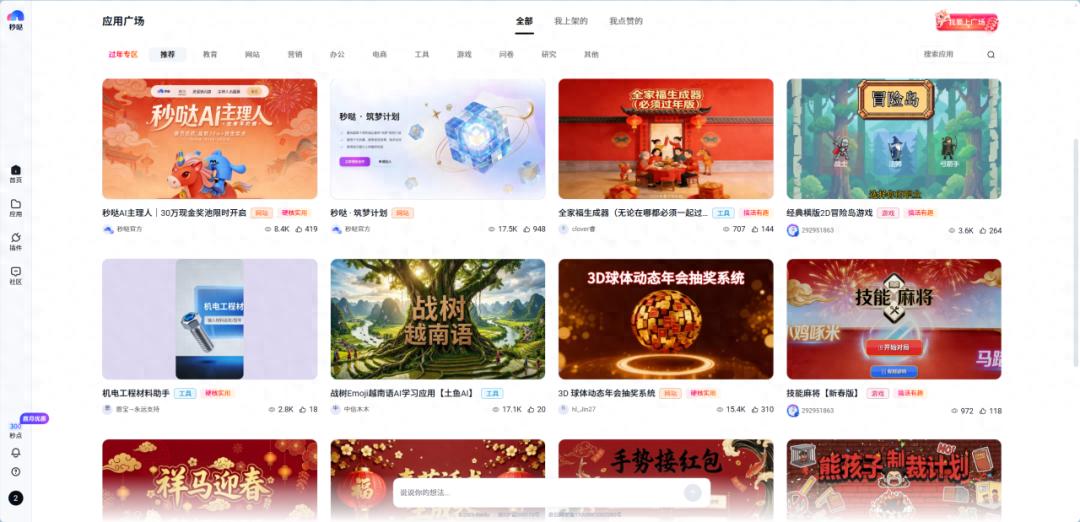
For Xiao Shi, the cost reduction and efficiency gains from AI are evident. Before the rise of Vibe Coding, AI programming software like Cursor, Kiro, and Augment emerged rapidly, followed by even better tools like Antigravity, Claude Code, and Gemini 3. Domestic platforms like Miaoda, Coze, and Qoder have also captured part of the user demand, making AI programming a new trend.
Major companies are also on board. Baidu reports that 52% of its new code is generated by AI, with CEO Robin Li aiming for 80% to 90%. The 2025 Tencent R&D Big Data Report indicates that AI is fully integrated into Tencent’s R&D system, with over 90% of Tencent engineers using the AI programming assistant CodeBuddy, and 50% of new code being AI-assisted.
Unlike previous AI fads that rose and fell in the tech circle, this time, more end-users are feeling the impact and joining the new world brought by AI.
New Beginnings for the Over-30s
Xiao K, an 80s-born individual, retired in October last year and dove into the world of Vibe Coding in November. A liberal arts graduate with ten years of experience in tech companies, she is familiar with big data, cloud computing, and large language models, making her sensitive to AI developments. Previously, she had used ChatGPT and DeepSeek at work, but Vibe Coding’s impact was shocking.
Due to high living expenses, Xiao K had many financial discrepancies, and existing accounting software couldn’t meet her needs. After Vibe Coding gained popularity, she used Miaoda to create a personal finance app in just a day using natural language. When bugs arose, she could resolve them by asking AI questions.
This opened a new world for her. Soon after, she used Coze to create a card game app called “True Vision Eye,” similar to Tarot cards, and designed the game visuals using Lovart—her total costs included a Lovart membership for 2000 yuan and a Volcano Engine membership for 99 yuan.
Many others immersed in Vibe Coding have shared their experiences online.
“The feeling of coding by voice is exhilarating; I feel like a leader directing my subordinates to work.”
“The most interesting part is turning my ideas into reality. My coding time is when I’m most focused and easily enter a flow state.”
“I feel like I’ve rediscovered the joy of seeing a bookstore close as a child after reading a good book.”
However, skepticism about Vibe Coding’s practical value persists. Andrew Ng mentioned in an August 2025 interview that the term Vibe Coding might imply that one only needs to follow their instincts and accept all suggestions from Cursor. Yet, Vibe Coding resembles a high-intensity mental exercise; a day of AI coding can be mentally exhausting. Ultimately, it remains engineering, just completed at a faster pace.
The advancement of AI technology will continue to enhance the efficiency of Vibe Coding while lowering its usage threshold, but this requires time.
The Wealth Gap
Dong Fangqing, a junior at a non-prestigious university, recently achieved a monthly income of 90,000 yuan through Vibe Coding—not through technical skills, but by leveraging information gaps. In 2024, he began exploring AI-assisted development tools, mastering Cursor, Figma, Augment, and Trae, and gradually became indispensable at a small company where he interned. He later discovered that Google offers discounts for students, allowing him to use tools like Antigravity, Augment, and Claude Code for just a few bucks. He then opened a store on Xianyu, “sharing” his accounts.
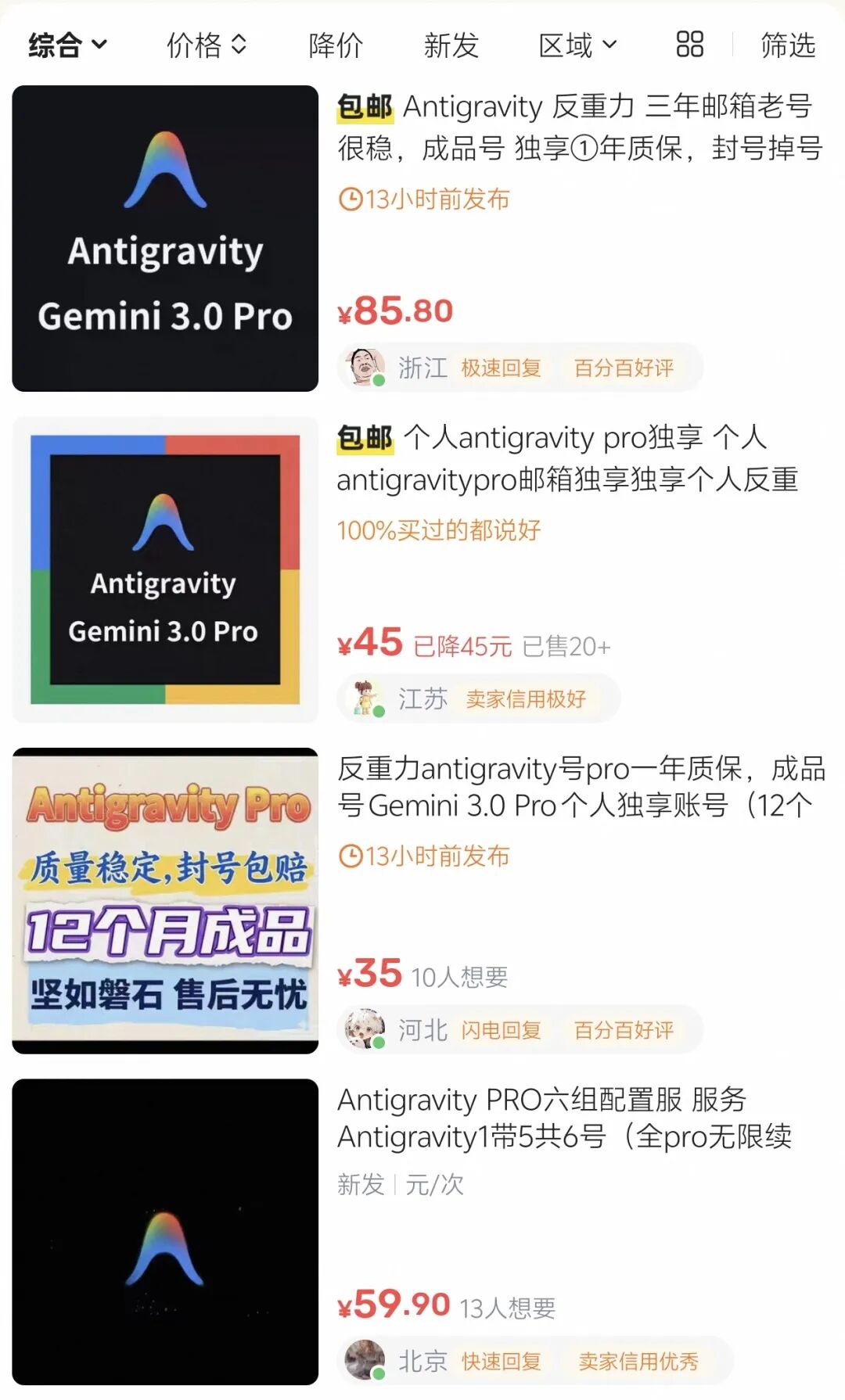
He quickly realized how strong the demand was among end-users for learning and using AI tools. On the first day of launching his “seafood market,” he earned over 2000 yuan, maintaining daily sales of over 3000 yuan. Now, he has accumulated over 600 clients. Thus, a junior intern earning 2000 yuan a month became a thriving “seafood market” store owner.
“How individuals can earn over 10,000 yuan monthly through Vibe Coding” is a common topic on Xiaohongshu and similar communities. However, feedback in the comments indicates that only a few truly make money.
Zuo, who has seven years of solid technical experience, works as a web front-end developer in Beijing with a monthly salary of 20,000 yuan. Through Vibe Coding, he created small programs like a Zhihu sign-in reminder and a vocabulary tracker, but after several months, his side income only amounted to a few thousand yuan, which wasn’t worth the time invested: waking up at five or six in the morning to study technology and then researching for over three hours after putting his child to bed at eight.
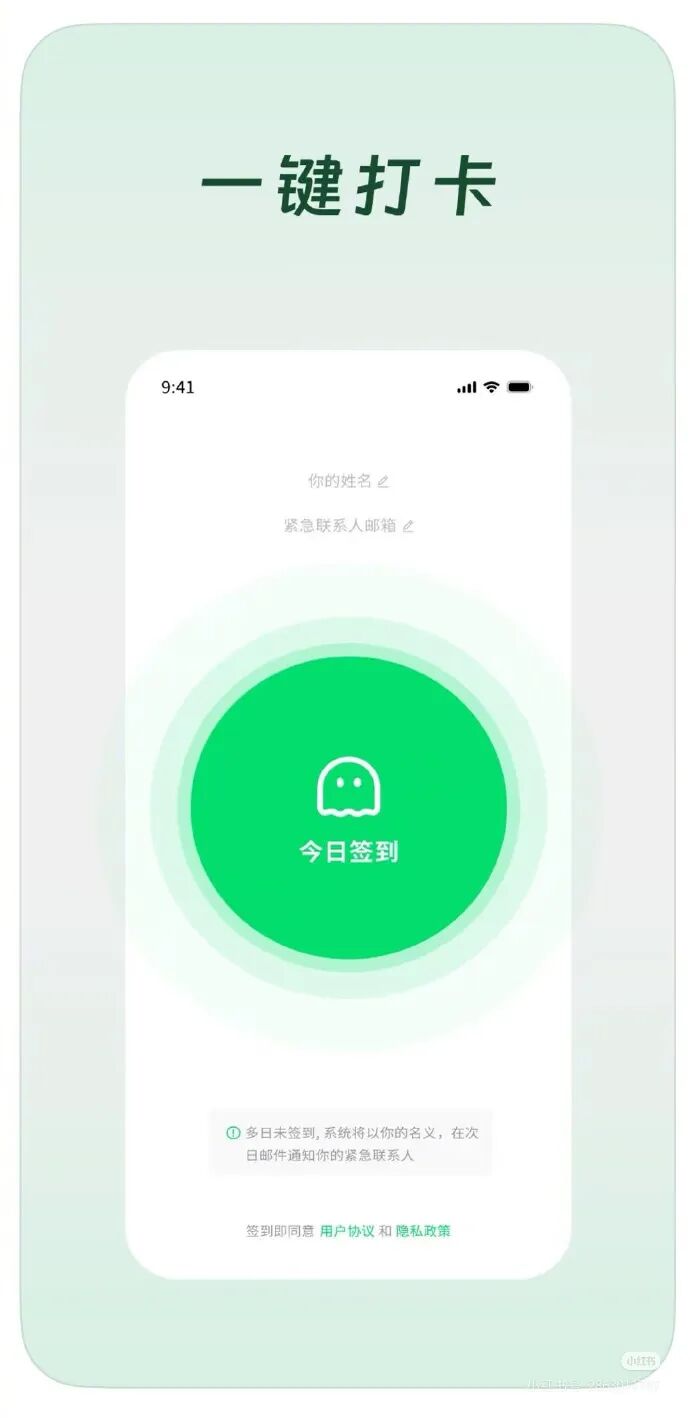
His biggest bug is a lack of operational capability. He even envies the recently popular app “Is It Dead?” which has no technical barriers but succeeded due to its traffic strategy.
Additionally, aesthetics pose a challenge. His work has faced criticism for its design from various people, which has become a negative example. In this wave of AI explosion, many founders and investors in Silicon Valley are discussing taste. As AI technology evolves rapidly, taste has become a filter, a unique product of various factors that cannot be achieved through brute aesthetics. As Yang Zhenning once said:
“In every field of creative activity, a person’s taste, combined with their ability, temperament, and opportunity, determines their style, which in turn influences their contribution.”
Xiao Shi’s company is based in Shenzhen, focusing on three main areas: G-end promotional videos, B-end AI comic productions, and C-end online training, with a revenue split of 2:3:5, generating around 2 million yuan annually.
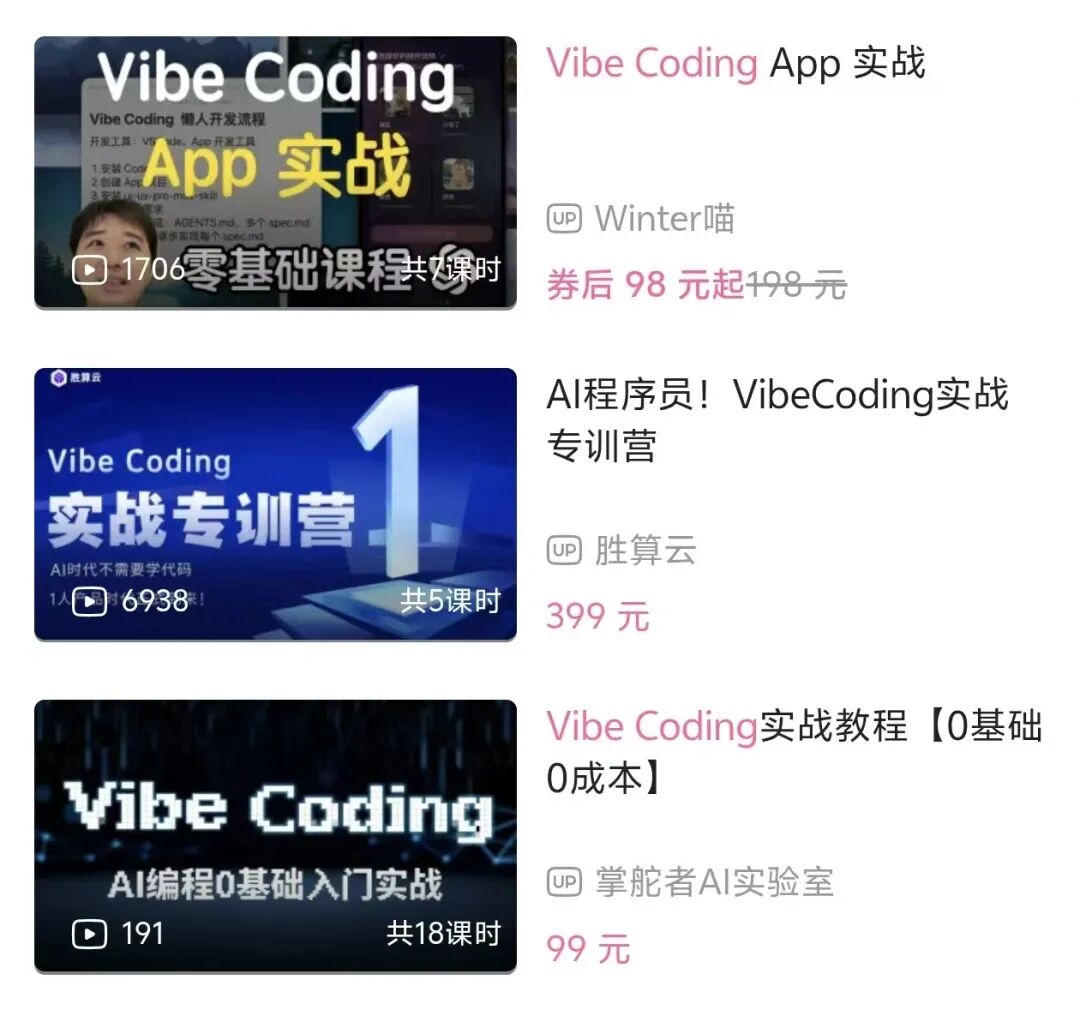
AI is a sector they all see potential in. In fact, Xiao Shi has already benefited from the AI boom. During his junior year, he learned programming through Bilibili and enrolled in courses, eventually becoming one of the successful “code switchers” who left the grueling materials science field for a programming job in Shenzhen with a monthly salary of over 10,000 yuan, laying the foundation for his later entrepreneurial endeavors. Now, AI is bringing new hope to these young people. Xiao Shi plans to develop products using Vibe Coding and explore a paid model.
Finding hope in AI is not exclusive to the young. Middle-aged Xiao K currently has no plans for AI entrepreneurship, focusing instead on enjoying the sense of achievement that Vibe Coding brings and the security of riding the wave. She hasn’t set a specific timeline for monetization. Having previously benefited from the internet entrepreneurship boom, she owns properties in Beijing and Shenzhen. Recently, she sold her Shenzhen property, allowing her to take her time exploring, with AI research being an important part of that.
She clearly recognizes that her former brand marketing industry will eventually be replaced by AI. “If I continue working now, it’s like being a toll collector in the ETC era.”
With the rise of Vibe Coding, a technical background is becoming less critical in the AI industry—just like Hogwarts accepting children from Muggle families.
Some argue that a technical background is becoming a liability in the AI era. Lazar, the first professional Vibe Coding programmer hired by the Silicon Valley star company Lovable, cannot code at all. His lack of coding skills allows him to operate without technical constraints, enabling him to go further. For instance, when someone at Lovable wanted to create a Chrome extension, technical staff immediately objected, citing architectural challenges, but Lazar simply typed the command in the dialogue box, and it was done.
This has given hope to many liberal arts graduates like Xiao K.
The Rise of the “One-Person Company”
The popularity of Vibe Coding is seen as a boon for “one-person companies.” An enticing story is that in early 2025, 90s programmer Maor Shlomo founded Base44, a Vibe Coding company in Israel, achieving a net profit of $189,000 by May 2025. Half a year after its establishment, it was acquired by the overseas internet giant Wix for $80 million. The “one-person unicorn” has become a reality.
However, the risks of entrepreneurship are much higher than most people realize. While “one-person companies” sound appealing, especially with the AI boom attracting young people, many solo entrepreneurs use the same tool stack: Claude for coding, Gemini for front-end, GPT for content, Notion for project management, and n8n for workflow. Amidst this homogeneity, entrepreneurship must return to fundamentals: building a unique moat.
Some clear-headed individuals lament that coding is the easiest part of the entrepreneurial process. Don’t assume that mastering it means you can start a company.
Dong Fangqing, earning 90,000 yuan monthly, has already experienced the challenges of a “one-person company.” With insufficient manpower, after-sales support consumes nearly all his time. “Many people seem to have never touched a computer,” he says. Despite preparing a detailed document on account usage, he still receives daily requests for remote video tutorials, leaving him frustrated. “I really don’t have time to teach one-on-one; I can only keep reminding them to check the document, which has everything.”
Moreover, there are always freeloaders who buy accounts and then want refunds. Dong Fangqing often responds, “Refunds are possible, but please don’t touch the account; I’ll change the password.” The other party usually gets the hint and decides not to return it, still wanting the account.
Vibe Coding has brought him his first pot of gold and even changed his gaming habits. “When you’re making a lot of money, you don’t even want to waste time playing games.”
However, he has decided to look for a job after graduation, with modest expectations of a monthly salary over 10,000 yuan. He is also working to enhance his AI skills, believing that this is the foundation for his future. Relying on information gaps for income is not a sustainable strategy. A potential reason for him to abandon the idea of a “one-person company” is that his “seafood market” account was banned due to certain actions, abruptly ending his 90,000 yuan monthly income. He is currently adjusting his AI monetization strategies but fundamentally wants to return to the technical aspects to secure a job and later use Vibe Coding for side projects.
Zuo, who is “stuck” in only knowing how to code, has a more positive attitude towards the “one-person company”—though it’s hard to say if this is proactive or reactive. Now over 30, he plans to establish a “one-person company” if he gets laid off, bringing on two or three part-timers to take on projects and create AI content.
This vision has, to some extent, already been realized by Xiao K. Recently, she registered a personal company, leading a few outsourced designers and occasionally taking on projects.
In her previous high-intensity work life, she always carried her computer, leading to physical and mental exhaustion over the years. Now, she wakes up at 8 AM, spends the morning with her pets, and starts working around 2 PM, researching AI and handling tasks. “There’s no one behind me with a whip, nor anyone dangling a carrot in front; this gives me more motivation.”
Entrepreneur Xiao Shi spent some time in the hospital in August 2025 due to frequent late nights and anxiety, compounded by sudden fitness efforts leading to rhabdomyolysis. After two weeks of recovery, he finally had time to watch a movie he liked. He realized that the company continued to operate smoothly in his absence, as they had established a complete workflow with AI.
In the AI entrepreneurial race, Xiao Shi sees more clearly the changes Vibe Coding brings to ordinary people. In his AI breakthrough club, liberal arts students often reach the level of an average programmer within a month. He is frequently “surprised” by his students. A sophomore named Baozi has already earned several thousand yuan through AI videos—though such students are still in the minority.
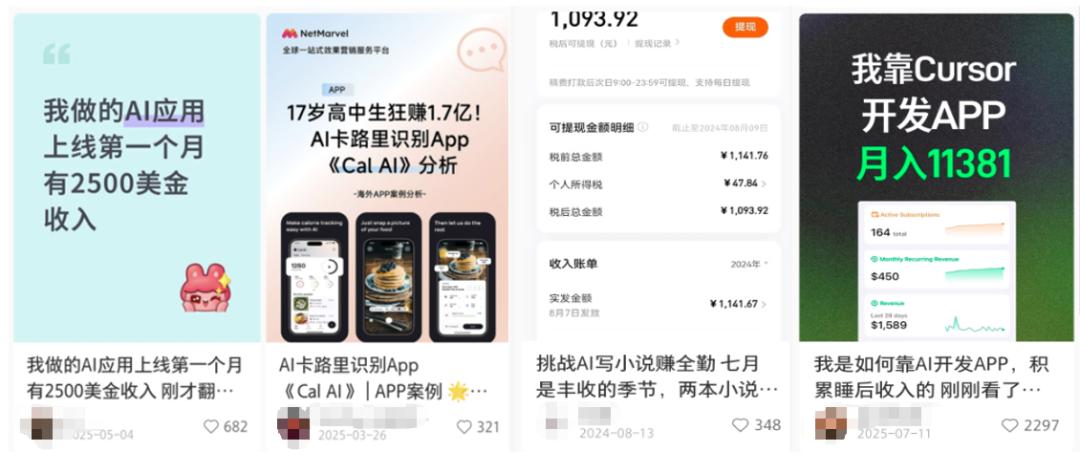
Moreover, even if everyone can code, creativity, business insight, and resource integration skills remain scarce. Therefore, Xi Yang Shi’s training programs include not only AI video production but also project co-creation and business resources, essentially pointing towards the development direction of “one-person companies.” However, feedback from students indicates that many seem more interested in making pocket money through AI. It’s hard to say whether this practicality is a reflection of Shenzhen or the generation embracing AI.
Overall, those pursuing AI are quite busy. Many of the Vibe Coding enthusiasts we contacted were still sharing technical insights at two or three in the morning.
Diving into the AI field, it seems everyone is hesitant to slow down, as the “disruption” in AI comes in waves. The pace of industry change is incredibly fast. You can choose to ride in a horse-drawn carriage, but you cannot stop the arrival of the steam age, and the same goes for the AI era.
Comments
Discussion is powered by Giscus (GitHub Discussions). Add
repo,repoID,category, andcategoryIDunder[params.comments.giscus]inhugo.tomlusing the values from the Giscus setup tool.