DeepSeek V4 Performance Analysis
The release of DeepSeek V4 highlights the subtle differences between open-source and closed-source large models. While it excels in mathematics and coding, its knowledge retrieval capabilities reveal inherent limitations in data sources. The ultimate human exam, HLE, remains a formidable challenge for large models. This article deeply analyzes the commercialization dilemmas faced by domestic large model leaders, from funding challenges to acquisition possibilities, exposing the difficult choices AI entrepreneurs must navigate between technical ideals and commercial realities.

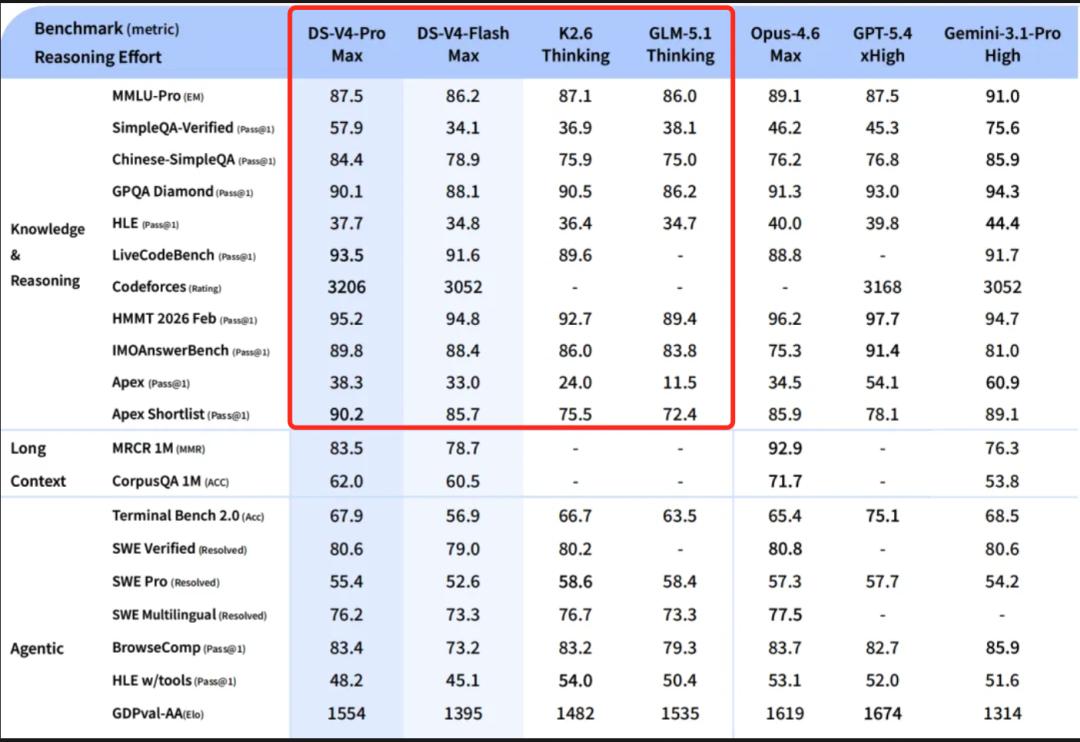
After using V4, I found that it met my expectations without exceeding them. In seven tests, DeepSeek ranked first in mathematics (Apex Shortlist) and coding (SWE Verified), while performing moderately in other areas, with HLE at the bottom.
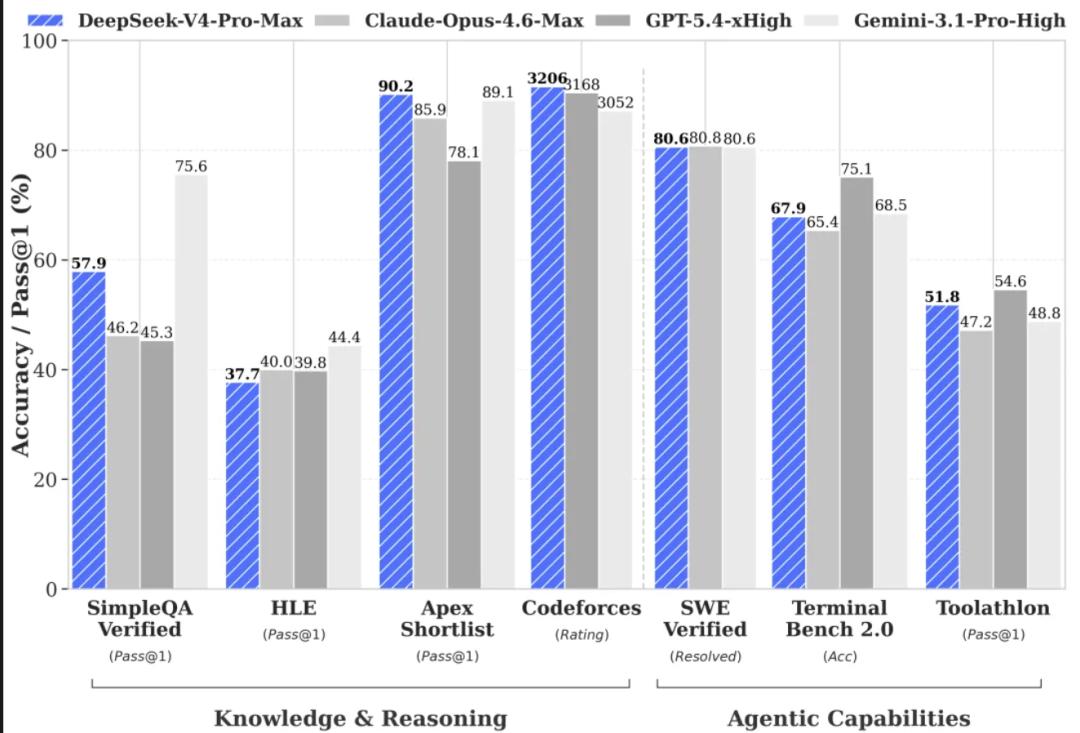
In the SimpleQA test, DeepSeek outperformed Claude and GPT significantly, but all models lagged behind Gemini. This is primarily because SimpleQA is a straightforward knowledge-based test, such as identifying birth years or locations, which is typically searched on engines, and Gemini benefits from Google’s backing.
HLE remains the weakest area for DeepSeek. This exam tests comprehensive reasoning and general intelligence, proving to be a nightmare for all models. The scores indicate that it has yet to be conquered by large models, a topic I previously discussed in my article on the ultimate human exam.
The conclusion seems straightforward: among all open-source models, V4 is still leading but no longer by a wide margin. Compared to top closed-source models, it still shows a gap, albeit a narrowing one.
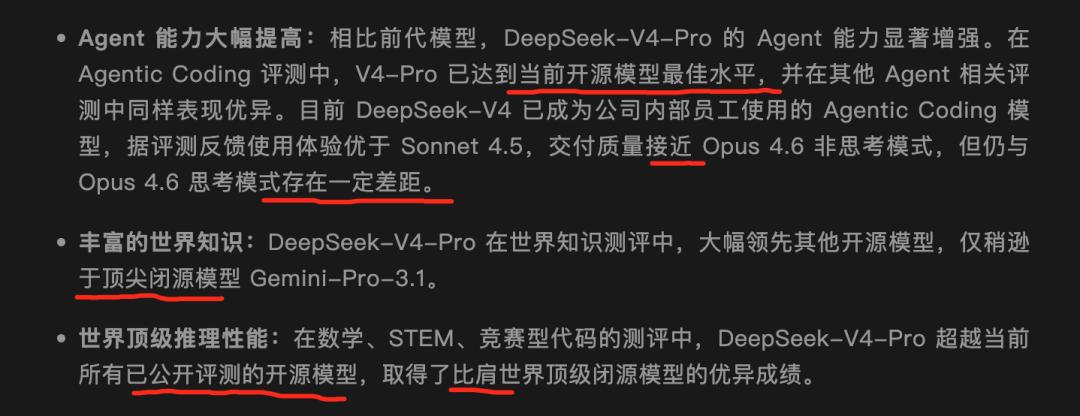
The diminishing lead of DeepSeek over the past 15 months reflects the challenges it has faced.
I recall the excitement surrounding the launch of R1 in January 2025, marking the end of the era for the six domestic model leaders. Many questioned the future of companies like Zhizhu and Moonlight.
The open-source community praised DeepSeek, and media outlets speculated whether China’s AI capabilities were about to surpass those of the US, leading to a 20% drop in NVIDIA’s stock as a sign of respect.
However, in the past 15 months, DeepSeek’s advantages have noticeably diminished, and the likelihood of regaining its previous leading status appears slim due to ongoing constraints, including talent loss and domestic chip limitations.
Funding could alleviate some of these issues, allowing for talent retention through stock options, but it also introduces new challenges.
Recently, I read the biography of Demis Hassabis, the founder of DeepMind, and was struck by a pivotal moment in Chapter Seven: Hassabis’s choices might provide the best funding path for DeepSeek.
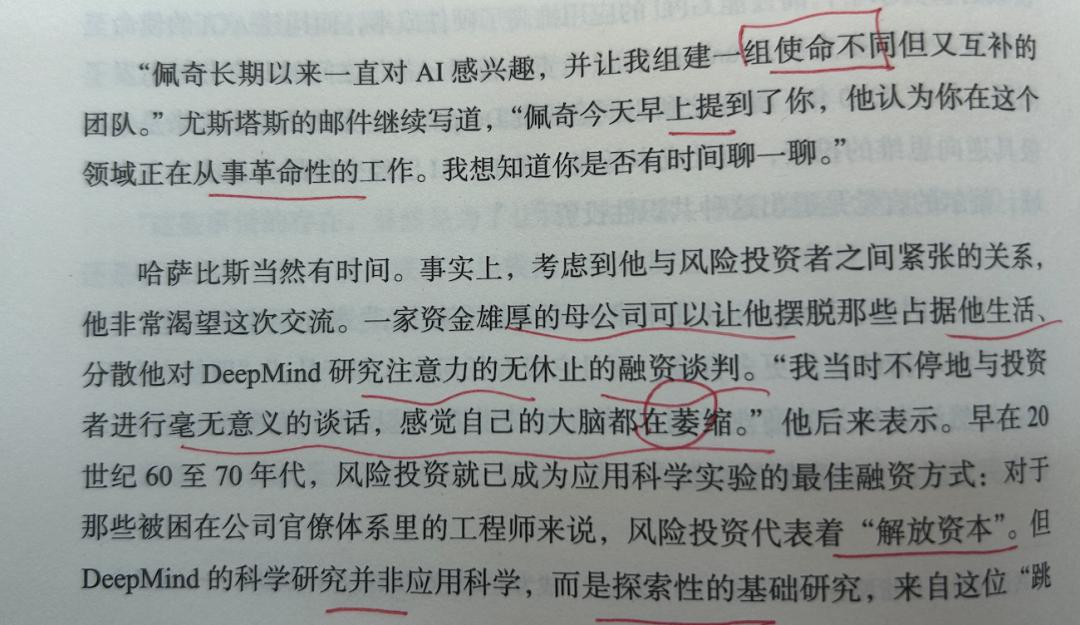
After its establishment, DeepMind went through several funding rounds but found the dual demands of research and fundraising overwhelming. Ultimately, Hassabis decided to sell the company to Google, allowing him to focus solely on research.
The subsequent success of AlphaGo and the Nobel Prize awarded to Hassabis are well-known, as is Gemini’s rapid advancement to catch up with ChatGPT.
Could this not also be the best choice for Liang Wenfeng?
In a previous article, I mentioned that if DeepSeek were to start fundraising, the human factor would be a concern. Liang’s personality traits make him ill-suited for engaging with investors eager for quick returns. There was a discussion post-Chinese New Year in 2025 about why Chinese VCs collectively missed out on DeepSeek. While the article criticized VCs, I felt it was more pertinent to ask why DeepSeek had not engaged with many investors. Ideally, I hoped to see news of DeepSeek securing an angel or Series A round, regardless of valuation or amount, indicating a trusted partnership that would allow Liang to focus on model research without the distractions of fundraising.
Currently, the news of ongoing fundraising suggests that DeepSeek is casting a wide net, with nearly every fund in China interested in investing.
Liang and Hassabis face similar predicaments. DeepMind initially secured several rounds of funding from notable figures like Peter Thiel and Elon Musk between 2010 and 2013 before selling to Google. One factor was Thiel’s disappointment when he did not continue to support Hassabis in subsequent rounds, despite the rising costs associated with AI’s popularity following AlexNet’s breakthrough.
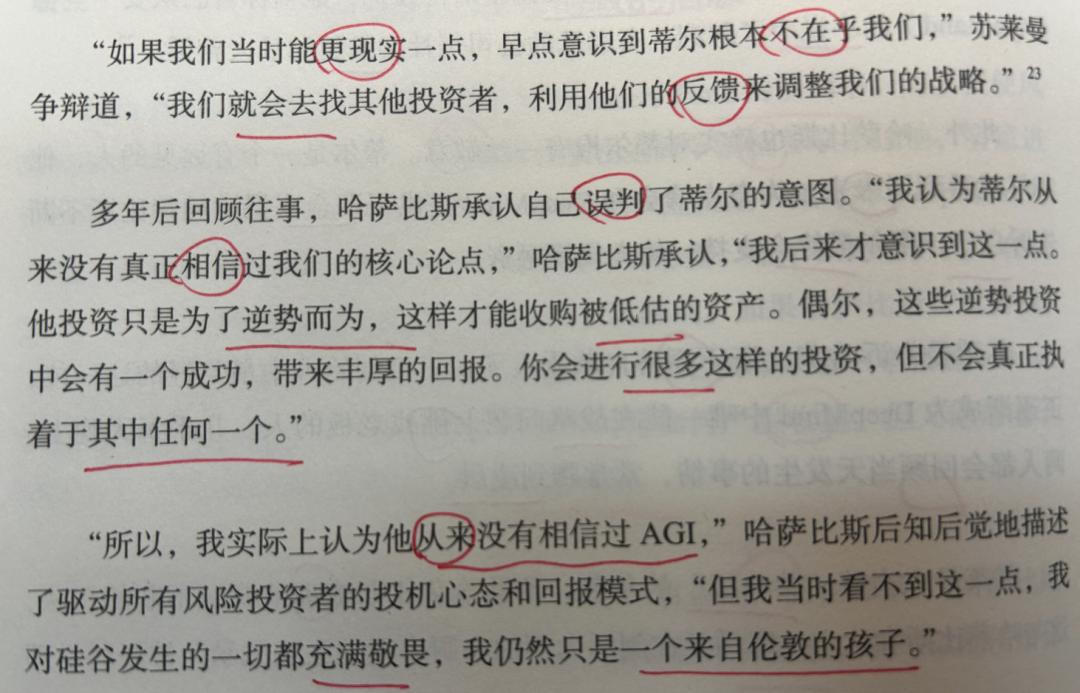
Selling the company, especially early on and to a major player, is a common choice in Silicon Valley. Founders often leave or stay on post-acquisition, as seen with the teams behind YouTube, Instagram, and WhatsApp.
Thus, if DeepSeek were to be acquired by a major company, it would not be surprising. The operational feasibility is clear; fundraising includes acquisition options, but DeepSeek has not publicly discussed its valuation. Once established, negotiations could proceed more smoothly.
Avoiding continuous fundraising has the added benefit of not diverting focus from research, and it also means that if the company approaches an IPO, it must provide a commercial justification, demonstrating substantial revenue and profit while tightly controlling costs and capital expenditures. This could limit long-term investments crucial for achieving AGI.
Moreover, this evaluation cycle is ongoing, with anxious fund managers and analysts checking in every three months to assess growth against expectations.
So, if Liang were to join a company, which major player would be most suitable?
In my view, it would be the company with which DeepSeek has the most business synergy.
I won’t name this company directly to avoid censorship, but it has a compelling reason to acquire DeepSeek: its models are relatively weak, and its AI products have struggled despite significant investment.
A mutual commitment is vital for a successful partnership.
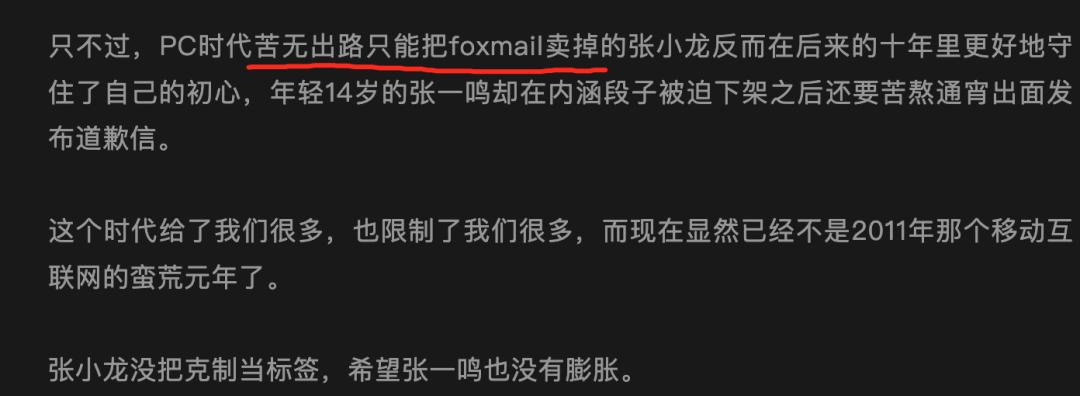
As I mentioned in a previous article, Zhang Xiaolong, after selling his company, achieved far more than he initially thought possible. This was a significant win-win for both him and his acquirer.
Zhang no longer had to worry about fundraising and could focus on developing WeChat’s ecosystem without the pressure of an IPO.
Another potential path for DeepSeek is to transition from an open-source to a closed-source model, similar to OpenAI, while maintaining superior model capabilities and potentially charging consumers or introducing advertising.
However, this route may not be appealing to Liang Wenfeng himself, apart from public resistance.
Comments
Discussion is powered by Giscus (GitHub Discussions). Add
repo,repoID,category, andcategoryIDunder[params.comments.giscus]inhugo.tomlusing the values from the Giscus setup tool.